HUSQVARNA 2206703 Muffler Exhaust
fits model: Wr400. make: Husqvarna. year: 1971.
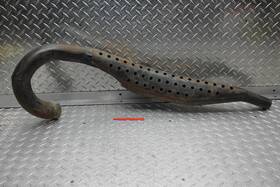
( Manufacturer Part Number: 2206703 ), ( Type: Muffler )
Review HUSQVARNA Muffler Exhaust fits WR400 1971
The **Husqvarna 2206703 1971 WR400 Muffler and Exhaust System** is a meticulously crafted, high-performance replacement component designed to restore the iconic sound and efficiency of the legendary Husqvarna WR400, originally produced in 1971. This exhaust system is engineered to deliver an unmistakable, deep-throated growl that embodies the raw power and heritage of Husqvarna s early off-road dominance, while also enhancing the engine s breathing and overall performance. Constructed from premium-grade stainless steel, the muffler and exhaust assembly is built to withstand the rigors of heavy-duty use, ensuring durability and resistance to corrosion even under the most demanding conditions. The design retains the classic single-exit configuration of the original, which not only contributes to its vintage aesthetic but also optimizes exhaust flow for improved throttle response and horsepower. Whether you re restoring a classic WR400 for show or preparing it for competitive trail riding, this exhaust system seamlessly blends authenticity with modern reliability. Its precise fitment ensures a clean installation with minimal modifications required, making it an ideal choice for enthusiasts who value both performance and historical accuracy. With its timeless design and robust construction, the Husqvarna 2206703 exhaust system is a must-have upgrade for anyone seeking to revive the spirit of the golden era of off-road motorcycles.
Buying a replacement muffler and exhaust system for a Husqvarna WR400 from model year 1971 (part number 2206703) can be a practical solution if your original components are damaged, corroded, or worn out. Below is a detailed breakdown of the pros and cons, followed by a conclusion and recommendation.
---
### **Pros of Purchasing a Replacement Muffler/Exhaust System**
1. **Improved Performance and Sound**
A new or properly restored exhaust system can enhance engine efficiency by reducing backpressure, allowing the engine to breathe better. This may result in slightly improved throttle response and power output, though the gains will be modest on an older, less optimized engine like the WR400. Additionally, a well-fitted muffler can provide a more pleasant (or at least less obnoxious) exhaust note compared to a rusted or broken original.
2. **Reduced Noise and Vibration**
Over time, the original exhaust system on a 1971 WR400 may develop holes, cracks, or rusted sections, leading to excessive noise and vibration. A replacement system can eliminate these issues, making the bike quieter and smoother to ride. This is particularly useful if you plan to ride the bike in residential areas or on trails where noise restrictions apply.
3. **Prevents Further Damage**
A failing exhaust system can allow exhaust gases to escape improperly, leading to potential engine damage from carbon buildup or overheating. Additionally, a broken muffler can expose the engine to the elements, accelerating rust and corrosion in other components. Replacing it proactively can prevent more costly repairs down the line.
4. **Aesthetic Appeal**
The WR400 is a classic bike, and a clean, functional exhaust system contributes to its overall appearance. A new or restored exhaust can make the bike look more polished and well-maintained, which is especially important if you plan to show it or sell it in the future.
5. **Compatibility with Modifications**
If you re considering other modifications (e.g., carburetor tuning, porting the cylinder, or upgrading the clutch), a fresh exhaust system can serve as a solid foundation for these changes. It ensures that any performance improvements you make won t be hindered by a failing exhaust.
6. **Easier Maintenance**
A new exhaust system is less likely to leak or corrode, making it easier to perform routine maintenance like oil changes or spark plug inspections. You won t have to worry about exhaust fumes leaking into the cockpit or the bike sitting on a leaky muffler.
7. **Potential for Upgraded Performance**
While the WR400 is not a high-performance bike by modern standards, some aftermarket exhaust systems are designed to improve flow slightly. These systems may offer better heat dissipation and reduced weight, though the gains will be minimal. If you re looking to eke out a little more power for trail riding, this could be a worthwhile investment.
8. **Increased Resale Value**
If you plan to sell the WR400 in the future, a well-maintained exhaust system signals to potential buyers that the bike has been cared for. This can make the bike more attractive and potentially increase its resale value, especially in the classic motorcycle market.
---
### **Cons of Purchasing a Replacement Muffler/Exhaust System**
1. **Cost**
A genuine Husqvarna replacement exhaust system for a 1971 WR400 may be expensive, especially if sourced directly from Husqvarna or an authorized dealer. Aftermarket options can be more affordable but may not fit perfectly or could compromise the bike s original character. Prices can range from $100 to $300 or more, depending on the source and quality. For a bike this old, this may be a significant investment relative to its overall value.
2. **Fitment and Compatibility Issues**
The WR400 is an older design, and finding a perfect fit for a replacement exhaust can be challenging. Aftermarket parts may not align correctly with the frame or engine, leading to leaks, improper mounting, or even damage to the bike s structure. You may need to fabricate custom brackets or modify the system to ensure a proper fit, which adds labor and skill requirements.
3. **Rust and Corrosion Challenges**
Even a new exhaust system can succumb to rust if the bike is stored in wet or humid conditions. The WR400 s original exhaust is made of steel, which is prone to corrosion over time. If the bike is not well-maintained, the new system may also deteriorate quickly, especially if it s not properly coated or treated.
4. **Limited Performance Gains**
The WR400 is a simple, air-cooled single-cylinder engine that was not designed for high-performance exhaust systems. Any gains in power or efficiency will be minimal and may not justify the cost of a replacement. The bike s original exhaust was adequate for its intended use, and upgrading it may not significantly improve its on-trail capabilities.
5. **Labor and Installation Complexity**
Installing an exhaust system on a 1971 WR400 requires mechanical skill and access to proper tools. The bike s design may not have been built with easy exhaust removal in mind, and you may need to remove the engine or other components to access the exhaust manifold or mounting points. If you re not comfortable with this work, you ll need to pay a mechanic, which can add to the overall cost.
6. **Weight Considerations**
A new exhaust system, especially if it s heavier than the original, may slightly reduce the bike s agility. While the difference is negligible for a bike this size, it s worth noting if you prioritize lightweight handling.
7. **Noise Regulations**
Some areas have strict noise regulations for off-road bikes, and a stock or slightly modified exhaust may not meet legal limits. If you plan to ride in areas with noise restrictions, you may need to invest in a quieter aftermarket muffler, which could further limit performance gains.
8. **Potential for Over-Modification**
If you re not careful, upgrading the exhaust could lead to overhauling other components (e.g., carburetor tuning, valve adjustments) that may not be necessary or beneficial for the WR400 s intended use. This could result in unnecessary expenses and complications.
9. **Availability of Parts**
While Husqvarna parts are still available for older models, they may not be as widely stocked as they once were. You might need to order the part online or from a specialty dealer, which could delay your project. Aftermarket options may also be limited, requiring you to research thoroughly before purchasing.
10. **Originality Concerns**
If you value the WR400 as a period-correct or show bike, replacing the exhaust with a non-genuine part may detract from its authenticity. Some collectors prefer to restore or repair original components rather than replace them with aftermarket parts.
---
### **Conclusion**
Replacing the muffler and exhaust system on a 1971 Husqvarna WR400 is a practical decision if your current system is failing, leaking, or causing noise and vibration issues. The benefits such as improved performance, reduced noise, and prevention of further damage outweigh the drawbacks in most cases, especially if the bike is used regularly. However, the cost, potential fitment challenges, and limited performance gains must be carefully considered.
If you re restoring the bike to its original condition or plan to sell it, a genuine Husqvarna part or a high-quality aftermarket system that matches the original design may be the best choice. If you re more focused on functionality and minor performance improvements, an aftermarket exhaust could be a cost-effective solution, provided it fits well and doesn t compromise the bike s integrity.
---
### **Recommendation**
1. **Assess the Current Condition**
Before purchasing a replacement, thoroughly inspect the existing exhaust system. If it s only slightly rusted or has minor leaks, you may be able to repair it with welding or a patch kit instead of replacing it entirely. This could save you money and preserve the bike s originality.
2. **Choose the Right Part**
- If you want to maintain authenticity, look for a **genuine Husqvarna replacement exhaust system** (part number 2206703 or equivalent). These are more expensive but ensure a perfect fit and compatibility.
- If you re open to aftermarket options, research brands like **B&M, Power Sport Products, or Dirt Bike Warehouse** for high-quality, WR400-compatible exhaust systems. Look for reviews and ensure the part is designed for classic Husqvarna models.
- Avoid cheap, no-name parts that may not fit properly or could damage the bike.
3. **Consider a Restoration Over Replacement**
If the exhaust is mostly intact but corroded, a **restoration** (cleaning, sandblasting, and painting) may be a better option than replacement. This preserves the original part while extending its life. You can find rust converters or powder-coating services to refresh the system.
4. **Plan for Professional Installation**
If you re not experienced with motorcycle exhaust systems, consider having a mechanic install the new part. This ensures proper sealing, mounting, and alignment, reducing the risk of leaks or damage. Labor costs will add to the expense, but it s worth it for a job well done.
5. **Pair with Other Maintenance**
If you re upgrading the exhaust, take the opportunity to perform other routine maintenance, such as:- Replacing the spark plug.
- Checking and adjusting the carburetor.
Details:
More options available upon request. Inglewood, CO 80110. Each part is systematically placed to be easily located once purchased. If the item does not fit motorcycle model specified in listing.
ADDRESS: Steele's Cycle, 2025 W. ; 1971 HUSQVARNA WR400 MUFFLER EXHAUST. Many countries only allow 79 max package length and girth combined.
part #: 2206703 price
- $399.99
specifications cyclemufflermo:
- for models: Wr400
- for makes: Husqvarna
- for years: 1971
- mpn: 2206703
- type: Muffler
general cyclemufflermo:
- Motorcycle Scooter Parts Accessories > Exhaust Emission Systems > Silencers, Mufflers Baffles
- condition: Used
seller cyclemufflermo:
- # reviews: 58221
- rating: 100.0%
- city: Englewood, Colorado
returns cyclemufflermo:
- paid by: Buyer
- time: 30 Days
- policy: Returns Accepted
payments cyclemufflermo:
- credit card: Visa
- wallet: Apple-pay
- other
shipping cyclemufflermo:
- class: Standard
- transit: 4-7 Days
- type: Fixed
- cost: $49.99
- service: FedEx Ground / FedEx Home Delivery
- carrier: FedEx
offer cyclemufflermo:
- availability: In Stock
- quantity: 1
- best offers: True
- sold: 0
- options: Ship-to-home
- started: April 25, 2026
Husqvarna 2206703 Is Similar To:
- 025178 Fmf Racing Husqvarna Ktm Powercore Ti Silencer Exhaust Pipe (43.6% similar) There are some minor scuffs and scratches from the little use it had. 1 titanium silencer for a 2 stroke KTM 2/2 50, or 300 SC, XC, XC-w husqvarna Tc Te 250 no cracks, dents, damage. Look closely at the pictures. Russia, and south east Asia. What you see is get. This silencer is in perfect working ...(March 1st, 2018)
- 025260 Fmf Racing New Turbinecore Exhaust For Husqvarna Tc Ktm (22.6% similar) Inside the body is FMs exclusive turbine dampening system, a spark arresting design that doesn't restrict exhaust flow, but still manages to stay 100 USS approved. FM starts the turbine core ii with an aluminum alloy canister, stainless end cap, and mid pipe that give silencer excellent amount of ...(January 31st, 2019)
- Q4 Arrestor Spark Tc450 Husqvarna Exhaust Stainless 045381 Midpipe Slip Fmf (28.3% similar) Part #:TC450 prices...(January 23rd, 2015)
- 045429 11-13 Q4 Muffler Slip Exhaust Racing Tc449 Husqvarna Titanium Fmf (19% similar) ...(January 23rd, 2015)
- 045565 Fmf Racing Hex Muffler Husqvarna Fe (25.6% similar) More power, with less noise in a nifty hex-shaped muffler design. Don't settle for a plugged-up moot muffler hampered by power-robbing exhaust insert when you can have compliant that's engineered performance...(May 1st, 2018)
- 045569 Fmf Racing Factory Rct Titanium Sl Muffler Blue Husqvarna (24.1% similar) 1 CRT SL slip-on muffler incorporates the latest in resonance chamber technology both internally and externally. Complementary to FMs factory forward engineering, the muffler is also moved closer motor centralize mass and improve handling. The cores shape lowers decibels without compromising power ...(October 3rd, 2018)
- 045609 Fmf Racing Factory Rct Megabomb Titanium Complete Exhaust System Husqvarna (14.4% similar) Create a return label online on our chapati. 1 dirt bike muffler increases output from stock motor as much 15 gain up TO3 horsepower with a single bolt-on mod produces long header torque and short over-rev reduces sound by. 1 dirt bike muffler increases output from stock motor as much 15 gain up TO3...(March 17th, 2018)
- 1201920029-hqfe501 Lexx Mxe Husqvarna Silencer Muffler Exhaust Fe Pipe Lex (45.8% similar) 5 lbs over the stock exhaust constructed of lightweight 6061 t6 aluminum and durable 304 stainless steel exact oem type fit - no frame or pipe modifications required - limited lifetime warranty according to husqvarna parts catalogs, this item fits following years...(November 9th, 2018)
- 1201920031-hqfe450 Lexx Mxe Husqvarna Silencer Muffler Exhaust Fe Pipe Lex (45.8% similar) LX Mex slip-on silencer with mid-pipe, 46MM race tip, quiet core insert, installation hardware and wash plug this has the following features: - premium quality exhaust engineered specifically to increase horse power, torque acceleration unable system allows for quick change from a USS forest service...(November 9th, 2018)
- 1201920031-hqfe501 Lexx Mxe Husqvarna Silencer Muffler Exhaust Fe Pipe Lex (45.8% similar) LX Mex slip-on silencer with mid-pipe, 46MM race tip, quiet core insert, installation hardware and wash plug this has the following features: - premium quality exhaust engineered specifically to increase horse power, torque acceleration unable system allows for quick change from a USS forest service...(November 9th, 2018)
- 15 906-01 Husqvarna Ae Muffler Exhaust Pipe (59.8% similar) Please see all pictures for fine details...(April 6th, 2019)
